


Cyprus, a Mediterranean island with a warm climate, rich history, and EU membership, has become an increasingly attractive destination for foreign property buyers. Whether you’re looking to retire, invest, or secure a vacation home, understanding the nuances of buying real estate in Cyprus is crucial. This guide walks you through every step, ensuring you’re well-informed before making one of the biggest purchases of your life.
Why Buy Property in Cyprus?
Cyprus offers several compelling reasons for property investment:
- Stable Economy & EU Membership: As a member of the European Union, Cyprus provides a secure investment environment.
- Attractive Climate: With over 300 sunny days per year, the island is ideal for retirement and vacations.
- Affordable Living Costs: Compared to other EU countries, the cost of living in Cyprus is relatively low.
- Multicultural Community: English is widely spoken, and many foreign communities thrive here.
- Property Value Growth: The real estate market has shown consistent growth, especially in key areas like Limassol, Paphos, and Larnaca.
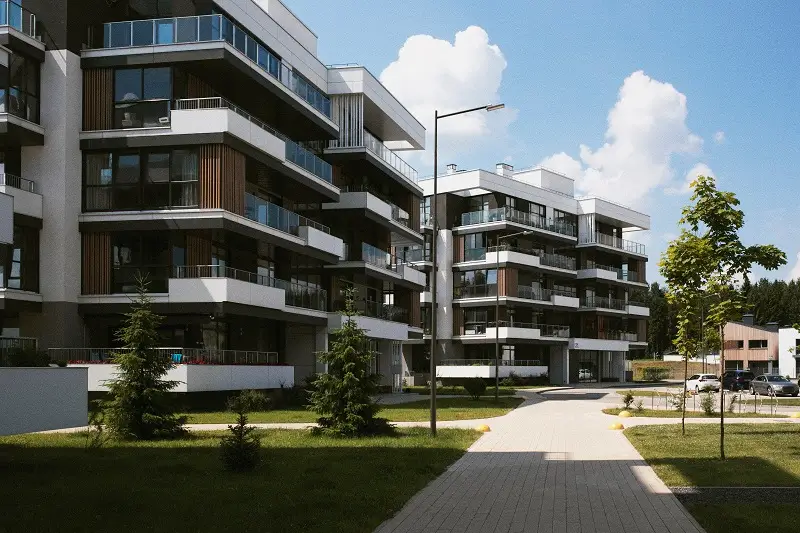
Can Foreigners Legally Buy Property in Cyprus?
Yes. Foreign nationals, including non-EU citizens, can legally buy property in Cyprus, though certain restrictions apply:
- EU Citizens: Can buy any number of properties with no restrictions.
- Non-EU Citizens: Can buy one property (a house, apartment, or plot of land up to 4,014 square meters) with permission from the Council of Ministers, which is typically a formality.
Note: Companies controlled by non-EU citizens can also own property.
Types of Property Foreigners Can Purchase
Foreigners can purchase various types of real estate, including:
- Residential Apartments or Villas
- Commercial Properties (shops, offices)
- Land Plots
- Holiday Homes
- Off-Plan Properties
- Renovation Projects

Be aware that properties in Northern Cyprus come with legal complications due to unresolved disputes following the 1974 conflict. Most foreign buyers focus on properties in the Republic of Cyprus (southern part).
Step-by-Step Process for Buying Property
- Choose Your Location: Consider areas based on your purpose (residential, rental, holiday).
- Find a Reputable Real Estate Agent: Work with licensed professionals to explore listings and schedule viewings.
- Legal Due Diligence: Hire an independent lawyer to ensure clear title, zoning, and permits.
- Sign the Reservation Agreement: This removes the property from the market (usually with a small deposit).
- Draft and Sign the Contract of Sale: The lawyer will prepare the contract, which includes payment terms.
- Council of Ministers Approval (non-EU citizens): File an application with help from your lawyer.
- Pay Transfer Fees and Taxes: These must be settled before title deeds are transferred.
- Land Registry Transfer: The property is officially transferred to your name at the District Land Office.
Legal and Bureaucratic Requirements
- Title Deed Check: Ensure the property has a valid, separate title deed.
- Due Diligence: Includes verifying the seller’s ownership, building permits, and any mortgages.
- Contracts in English: Although contracts can be in Greek, an English version is typically provided for foreigners.
- Deposit in Escrow: Funds are usually held in escrow by the lawyer until transfer.
- Bank Account in Cyprus: Required to complete the transaction.
Cost Breakdown and Taxes
- Transfer Fees:
- 3% on first €85,000
- 5% on €85,001–€170,000
- 8% above €170,000
- VAT:
- 5% for first-time homebuyers (on primary residences)
- 19% on other property purchases (new properties only)
- Stamp Duty:
- 0.15% on contracts up to €170,000
- 0.2% on amounts above
- Legal Fees: Typically 1% of the property value
- Real Estate Agent Fee: Usually covered by the seller
Best Locations for Foreign Buyers
- Limassol: A modern city with a strong expat presence, vibrant nightlife, and luxury developments.
- Paphos: Popular with retirees and tourists, offering villas and affordable apartments.
- Larnaca: Affordable prices and a laid-back lifestyle.
- Nicosia: The capital city with a mix of modern and historic architecture.
- Ayia Napa & Protaras: Coastal resorts ideal for holiday rentals.

Potential Risks and How to Avoid Them
- Buying Without Title Deeds: Always ensure the property has separate title deeds.
- Unlicensed Agents: Work only with licensed professionals.
- Hidden Costs: Budget for taxes, legal fees, and utilities.
- Northern Cyprus Properties: Avoid unless you understand the complex legal situation.
Tips for a Smooth Property Purchase
- Visit the property in person.
- Hire an English-speaking lawyer familiar with property law.
- Avoid cash deals — use escrow for transparency.
- Communicate directly with developers or sellers.
- Check if the property qualifies for residency permits.
Post-Purchase Considerations
- Residency Permit: Owning property can support residency applications.
- Property Management: Hire a local service if not living in Cyprus full-time.
- Home Insurance: Recommended, especially for rental properties.
- Renovations: Ensure all work is licensed and approved.
Conclusion
Buying property in Cyprus as a foreigner is a relatively straightforward process — especially when done in the southern part of the island. With professional guidance, legal support, and clear due diligence, you can safely secure a Mediterranean property for investment, residence, or leisure. Whether you dream of a beachside villa in Paphos or a modern apartment in Limassol, Cyprus offers something for every taste and budget.
Sources:
- Cyprus Department of Lands and Surveys (https://portal.dls.moi.gov.cy)
- PwC Cyprus Real Estate Guide
- KPMG Cyprus Property Handbook
- Local property law firms and agents

Leave a Reply