


Who this is for: Movers, expats, and long-stay visitors who want a practical, copy-paste guide—clean sections, no emojis, and a short list of authoritative sources at the end.
How we define “affordable”
Affordability here means the monthly cost to live decently—not just the headline rent. We consider:
-
Housing (long-term rent on typical 1–2 bedroom apartments; purchase price level as a secondary signal)
-
Utilities (electricity, water, common charges)
-
Everyday costs (groceries, dining, mobile/internet)
-
Getting around (car ownership/insurance, public transport, walkability)
-
Hidden line items (parking, short-term rental pressure on supply, seasonal spikes)
Quick verdict (TL;DR)
-
Most affordable overall: Paphos and Larnaca (broadly lower rents and gentler day-to-day costs; good value in nearby suburbs/towns)
-
Mid-range: Nicosia (often cheaper for rent than Limassol, but car-centric and warmer in summer; not a coastal city)
-
Least affordable: Limassol (the island’s costliest coastal market, especially in prime/coastal zones)
If you need coastal life at a sensible budget, start with Larnaca; for relaxed lifestyle and strong value, Paphos. If you prioritize employment hubs and services, Nicosia often balances salary potential with rent. If you want an international business scene and top amenities and can pay a premium, Limassol.
City-by-city: strengths, trade-offs, and where to look
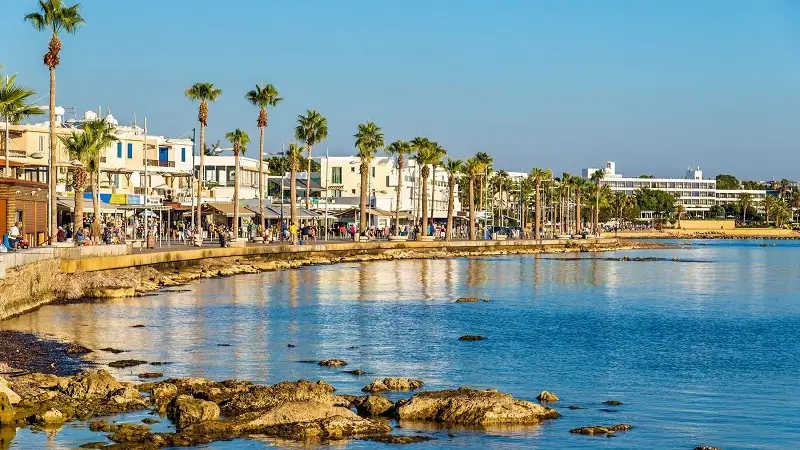
1) Paphos
Why it’s affordable: Broad supply of mid-market apartments and townhouses, strong expat services without big-city price premiums.
Who it fits: Remote workers, early retirees, families wanting quieter districts.
Areas to shortlist
-
Universal (Kato Paphos backstreets): Popular with long-term renters; walkable to amenities, competitive prices vs seafront.
-
Geroskipou & Anavargos: Family-friendly, more space per euro than the tourist core.
-
Chloraka & Emba: Good value with quick access to town; check building age/insulation.
-
Polis & Peyia (wider district): Cheaper pockets; factor commute time if you work in Paphos town.
Cost notes
-
Rents typically undercut Limassol and often Larnaca for similar specs.
-
Utilities are manageable if you choose newer builds with decent energy ratings and sensible A/C use.
Watch-outs
-
Car helps for daily life.
-
Older buildings can carry higher electricity bills (cooling in summer, heating in short winter).
2) Larnaca
Why it’s affordable: Historically lower entry prices than Limassol, growing infrastructure (marina/port redevelopment), and plenty of long-term rental stock beyond the beachfront.
Who it fits: Cost-conscious coastal seekers, frequent travelers (airport), and families wanting steady value.
Areas to shortlist
-
Livadia & Aradippou (suburbs): Bigger units, parking, and better price-to-space ratios.
-
Drosia & Kamares belts: City access without peak beachfront pricing; compare building ages.
-
Oroklini (Voroklini): Village feel close to the coast; check bus links if you don’t drive.
Cost notes
-
Internet and daily groceries are competitive; newer builds improve energy costs.
-
Long-term rents usually beat Limassol for like-for-like specification.
Watch-outs
-
Seafront new builds can price sharply higher; step back a few blocks for deals.
-
Short-term rental pockets near the promenade can tighten long-term supply in peak seasons.
3) Nicosia (south, government-controlled)
Why it’s mid-range: As the capital, it has strong services and jobs; rents for comparable space often sit below Limassol but above Paphos/Larnaca in many cases.
Who it fits: Office workers, students, families prioritizing schools and medical services.
Areas to shortlist
-
Lakatamia & Latsia: Family-oriented, better price per square meter than the center.
-
Strovolos: Wide range of stock; value varies by street and building age.
-
Engomi: Access to universities and amenities; compare older vs newer blocks carefully.
Cost notes
-
Not coastal—so no “seaview premium.”
-
Car-centric lifestyle; budget for fuel/insurance and parking if your building lacks a spot.
Watch-outs
-
Summers are hotter inland; factor cooling costs.
-
Traffic adds time and petrol cost; choose neighborhoods near your daily routes.

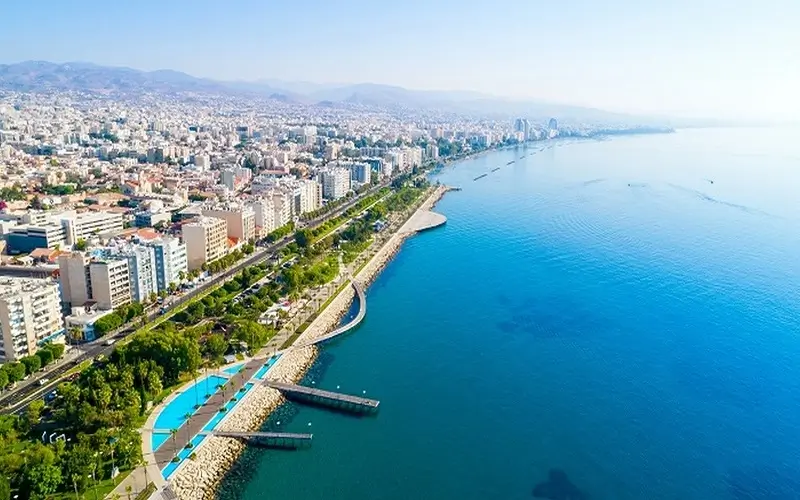
4) Limassol
Why it’s pricier: Strong international business presence, top amenities, and premium coastal strip drive rents and purchase prices above other cities.
Who it fits: Those prioritizing cosmopolitan living, waterfront lifestyle, and proximity to multinational employers.
Areas to shortlist (for relative value)
-
Ypsonas & Kolossi: Suburban space at lower cost; commute by car.
-
Kapsalos & Agios Ioannis (select streets): Central-ish options with older buildings at gentler prices; audit maintenance and energy ratings.
-
Zakaki (west): Up-and-coming near casino/mall projects; yields can be interesting, but check construction pipeline.
Cost notes
-
Best amenities and job market, but you pay for it.
-
Newer towers bring high service charges; older blocks can be cheaper but watch maintenance.
Watch-outs
-
Short-term rental demand and limited stock in prime zones elevate prices.
-
Parking and common charges can tip the monthly budget up.
Neighborhood selectors: quick filters
-
No car? Favor Paphos Universal, central Larnaca belts, central Nicosia (Engomi/Strovolos near bus lines), and older central Limassol blocks with walkable errands.
-
Family space on a budget? Try Geroskipou/Chloraka (Paphos), Livadia/Aradippou (Larnaca), Lakatamia/Latsia (Nicosia), and Ypsonas/Kolossi (Limassol).
-
Newer, energy-efficient builds? Larnaca’s recent stock and Paphos suburbs have many; in Limassol, expect higher prices; in Nicosia, compare EPC ratings carefully.
Renting vs. buying signals in affordable cities
-
Renting first works best if you’re new to Cyprus or still testing districts.
-
Buying becomes compelling when your horizon is 5–7+ years, you can access a competitive mortgage, and the unit’s EPC/insulation keeps utility bills predictable.
-
In Paphos/Larnaca, purchase prices per square meter often make owner-occupation feasible earlier than in Limassol (for comparable specs), while Nicosia can be a balanced buy for non-coastal lifestyles.
How to actually reduce your monthly bill
-
Step off the waterfront. One or two blocks inland can mean a meaningful rent drop.
-
Target 7–10-year buildings. Often better insulation than older stock and lower premiums than brand-new towers.
-
Ask for energy bills. Request prior 12-month electricity/water averages before signing.
-
Negotiate inclusive items. Try to bundle internet, small common charges, or parking into the rent.
-
Avoid peak turnover dates. Search a few weeks before summer or holiday peaks to avoid price competition.
-
Compare commute math. Cheaper rent far away may be canceled out by fuel, time, and parking fees.
Example monthly budget templates (non-numerical, plug your quotes)
Use these as a structure to compare cities for a 1–2 bedroom apartment:
-
Housing: base rent; building common charges; parking (if separate)
-
Utilities: electricity (cooling/heating), water, refuse/sewerage
-
Connectivity: mobile + home internet
-
Transport: fuel or bus pass; insurance; occasional taxi
-
Groceries & eating out: supermarket baseline; two modest meals out per week
-
Other: gym, basic healthcare, contingency
Fill this template with actual quotes from your top three neighborhoods; you’ll see Paphos/Larnaca usually win on housing, Nicosia can win on unit size vs price (non-coastal), and Limassol wins on amenities/jobs—but at a premium.
For specific profiles
-
Remote worker: Paphos (Universal/Chloraka) or Larnaca (Livadia/Drosia) for value + decent internet; consider coworking availability.
-
Family with school needs: Nicosia’s broader school ecosystem can help; in coastal cities, shortlist suburbs with easier parking and larger floorplans.
-
Investor-occupier: Look for units with stable long-term rental demand (not just short-term). Favour practical layouts, parking, and energy-efficient buildings.
What can push a “cheap” city to feel expensive
-
Poor energy performance (older ACs, no insulation)
-
Long commutes (fuel, time, parking)
-
High common charges (pools, large lobbies, concierge)
-
Seasonal short-term rental shocks in micro-markets close to promenades/seafronts
Conclusion
If your priority is lowest monthly burn with decent coastal living, start in Paphos and Larnaca and compare two or three neighborhoods each. Nicosia balances rent with services and careers if the coast isn’t essential. Limassol offers the island’s strongest business/cosmopolitan mix—priced accordingly. Walk neighborhoods, audit building age/EPC, and run a side-by-side budget using the templates above. The best “affordable” choice is the one where housing, utilities, and transport align with how you actually live—not just the cheapest advertised rent.
Sources
-
RICS Cyprus Property Index (with KPMG), 2025 – Market overview and yield/price patterns by district
-
Statistical Service of Cyprus (CYSTAT) – Consumer prices and household expenditure structure for cross-checking non-housing costs
-
Central Bank of Cyprus – Mortgage market and lending context for long-term affordability planning

Leave a Reply