

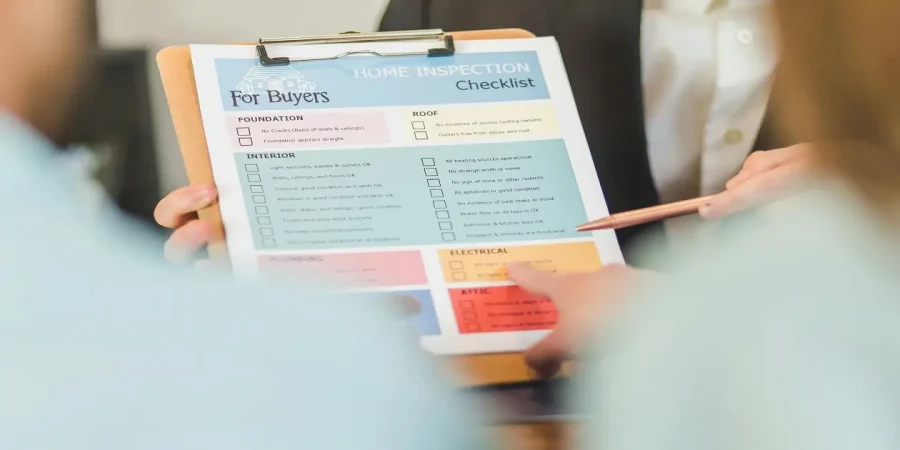
- September 20, 2025
- dampino
- (0)
- Real Estate
Who this is for: Foreign and local buyers who want a clear, practical, and legally accurate roadmap for a safe purchase in Cyprus—without surprises at the Land Registry or the bank.
1) Confirm your buyer profile (EU vs non-EU) & eligibility
Why it matters: Your residency and nationality determine what you can buy and which approvals you need.
-
EU/EEA/Swiss citizens can generally purchase residential property without prior approval.
-
Non-EU citizens typically need acquisition consent (commonly one dwelling or a plot up to ~4,014 m²) from the District Administration where the property is located. This is filed via Form COMM.145 after signing the sale contract. Approval is administrative but not automatic; complete documentation is essential.
Checklist
-
Decide what you’re buying (apartment/house/land) and where (district).
-
If you’re non-EU, budget time for COMM.145 consent; your lawyer will attach title copy, plans/permits, stamped contract, passport copies, and basic financials.
2) Choose the right team (independent representation)
Why it matters: Your agent is not a substitute for an independent lawyer.
-
Hire an independent real-estate lawyer (not acting for the seller/developer) to: draft/review the Sale Contract, insert protective clauses, file Specific Performance, and run due diligence.
-
Consider a chartered surveyor/engineer to inspect the structure, boundaries, and compliance.
-
If financing, engage a bank/mortgage adviser early for pre-approval.
Red flags
-
“Use the developer’s lawyer.” Avoid.
-
“It’s new—no due diligence needed.” New builds still need permits, snagging, and contract protections.
3) Secure your finance & money trail (before you commit)
Why it matters: Banks and authorities are strict on AML/Source-of-Funds and KYC.
-
Get mortgage pre-approval (compare at least two lenders, fixed vs variable, margin over base rate, early-repayment terms, and fees).
-
Prepare proof of funds (cash buyers) and AML/KYC records.
-
Plan FX if funding in currencies other than euro.
-
Budget for fire/building insurance from completion (bank requirement).
4) Legal due diligence on the property
Why it matters: You’re buying legal title and rights—not just walls and views.
-
Title
- Verify Title Deed, registered owner, description, and any encumbrances (mortgages, charges, memos, injunctions).
- Confirm plot boundaries and rights of way.
- If separate title is pending (common in new developments), ensure robust contract protections.
-
Planning & building compliance
- Check planning permit, building permit, final completion certificate, and conformity (no illegal extensions).
- For land, confirm zoning, build factor, coverage, height limits, access, and utilities.
-
Common property & bylaws (apartments/townhouses)
- Review Management Committee rules, common-expenses budget, reserve/sinking funds, and planned repairs.
-
Tenancies & possession
- Ensure vacant possession at transfer (unless you accept tenants).
- Attach inventory for furnished sales.
-
Contract of Sale & Specific Performance
- Stamp the Sale Contract and deposit it at the Department of Lands & Surveys (DLS) within six (6) months of signing under Specific Performance to secure your rights against the property.
5) Taxes, fees, and deal costs (know them before you sign)
Why it matters: Cyprus is buyer-friendly, but details change the math.
5.1 VAT on new residential property
-
Standard VAT: 19% on new residential units.
-
Reduced VAT 5% (primary residence): Applies to the first 130 m² of a qualifying main home and is subject to value/size caps (e.g., property value up to €350,000, total consideration ≤ €475,000, and total area ≤190 m²). If the total area exceeds 190 m², the entire unit is charged at 19%. Not available for second homes/investments.
5.2 Transfer fees (Land Registry)
-
€0 if VAT is payable on the purchase (i.e., most new builds).
-
If no VAT applies (resale): stepped 3% / 5% / 8% transfer fees apply, reduced by 50% under current law.
5.3 Stamp duty (on the Sale Contract)
-
0% up to €5,000
-
0.15% from €5,001–€170,000
-
0.20% above €170,000
-
Capped at €20,000 per contract
5.4 Professional & running costs
-
Legal fees (searches, drafting, lodging, completion)
-
Valuation & bank setup (if mortgaging)
-
Insurance (often bank-required)
-
Municipal charges (refuse, sewerage) and common expenses for condos/estates
-
Note: National Immovable Property Tax (IPT) was abolished in 2017; only local outgoings remain.

6) Technical & regulatory checks (beyond the contract)
Why it matters: Costly problems are often physical or regulatory.
-
Independent survey: structure, damp, roof, MEP, boundaries, hidden defects.
-
EPC (Energy Performance Certificate): Required for buildings sold or rented; issued by qualified experts and generally valid for 10 years.
-
Utilities & meters: Confirm connections and settlement of arrears before transfer.
-
Warranties (new builds): Clarify defects liability period, appliance warranties, and handover documentation.
-
Neighborhood pipeline: Check nearby permits (towers/industrial) that might affect value.
7) Structuring the Sale Contract (protections you want)
Why it matters: A strong contract is your first line of defense.
-
Conditions precedent: mortgage approval by a fixed date; clean encumbrance search; permits delivered; vacant possession; completion certificate.
-
Deposit & timeline: payment schedule, escrow safeguards, and deadline to lodge the stamped contract with DLS (≤ 6 months).
-
Remedies: specific performance, default interest, and seller obligations to procure separate titles (if pending).
-
Fixtures/furniture list: attach inventory with make/model/serials where relevant.
-
Apportionments: pro-rate common expenses, utilities, and municipal charges to completion.
-
Data & privacy: permit your lawyer to obtain searches and lodge documents with authorities/banks.
8) Completion & transfer (what happens on the day)
Why it matters: Clean logistics prevent costly delays.
-
Final DLS searches on the morning of transfer.
-
Pay stamp duty (if not already) and transfer fees (if applicable).
-
Mortgage registration where relevant.
-
Keys & possession on transfer of title (or contractually agreed date if titles are delayed).
-
Switch utilities to your name and activate insurance immediately.
9) Special cases & cautions
-
Properties without separate title (common in new developments): Oblige the seller/developer to procure and transfer separate titles when issued; negotiate holdbacks if possible.
-
Short-term rentals (Airbnb, etc.): Operating self-catering accommodation requires registration with the Deputy Ministry of Tourism and displaying the registration number on all listings.
-
Northern Cyprus: Purchases in the Turkish-occupied north involve heightened legal risk (historic claims and enforcement actions). Proceed only with specialist counsel—if at all.
10) Buyer’s one-page checklist (print-ready)
Identity & eligibility
- Passport(s) and proof of address
- If non-EU: understand COMM.145 and prepare supporting documents
Finance & AML
- Mortgage pre-approval or proof of funds
- Source-of-funds documentation for AML/KYC
- FX plan for euro payments
Legal due diligence
- Title/encumbrances search
- Planning/building permits & completion certificate
- Common-expenses bylaws and budget
- Tenancy/vacant possession confirmation
Contract & lodging
- Lawyer-drafted Sale Contract with protective clauses
- Stamp duty paid and contract lodged at DLS within 6 months (Specific Performance)
Taxes & fees
- VAT position (5% primary residence vs 19% standard) and eligibility caps
- Transfer fees (0 if VAT; else stepped bands with 50% reduction)
- Stamp duty calculation (cap €20,000)
Technical & compliance
- Survey/snags completed and accepted
- EPC checked/obtained (validity, energy class)
- Utilities/accounts ready to switch on completion
- Insurance active from handover
Completion
- Land Registry appointment & final searches
- Fees/taxes/loan registration settled
- Keys and possession; utilities switched; records filed
FAQs (quick answers)
Do I always need COMM.145 approval as a foreigner?
If you are non-EU, typically yes—commonly one residential unit or a limited-size plot. Your lawyer files the application after the contract is signed.
What if the property has no separate title yet?
Common with new builds. Your protection is a robust Sale Contract lodged under Specific Performance plus clear obligations on the seller to procure separate titles and transfer them when issued.
Is there annual national property tax?
No—Cyprus abolished national IPT in 2017. Budget for municipal and common-area charges instead.
When do I pay transfer fees?
Only if no VAT applies (resales). If VAT was paid on the unit, transfer fees are €0. For resales, stepped fees apply with a 50% reduction under current rules.
Do I need an EPC?
Yes—an Energy Performance Certificate is required for buildings sold or rented; it is issued by qualified experts and generally valid for 10 years.
Conclusion
Buying in Cyprus is straightforward when you control the legal process: independent counsel, complete due diligence, correct VAT/fee mapping, and strict adherence to Specific Performance timelines. Verify the physical asset with a survey and EPC, keep financing/AML clean, and plan your transfer day. With those boxes checked, you’ll complete confidently and avoid the traps that catch rushed buyers.
Sources
-
Ministry of Interior (gov.cy) – Guidance for purchasing property and Acquisition of Immovable Property by Aliens (Form COMM.145)
-
Department of Lands & Surveys (gov.cy) – Specific Performance (deposit sale contract within 6 months) and Transfer-fee framework (including 50% reduction and €0 where VAT applies)
-
PwC Cyprus – Tax Facts & Figures 2025 (stamp-duty bands and cap, VAT framework including 5% primary-residence scheme, IPT abolition)

Leave a Reply