

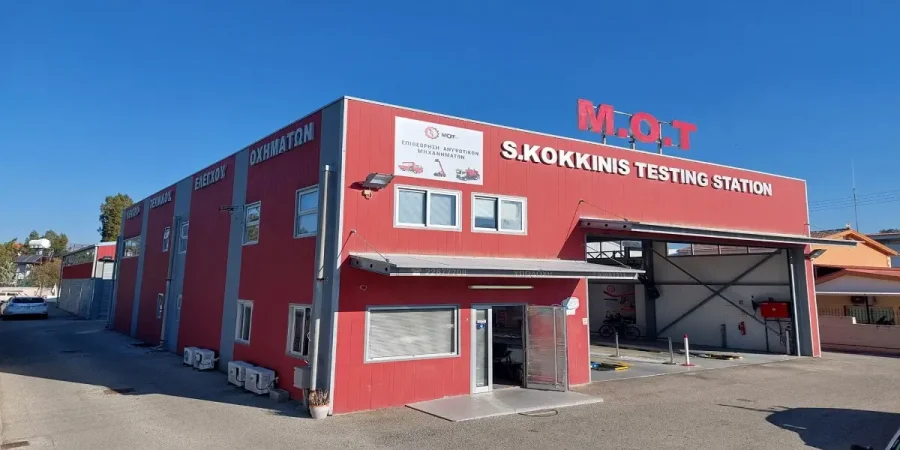
Who this is for: Drivers, buyers, and expats in the Republic of Cyprus who want a clean, copy-ready explanation of the periodic roadworthiness test (MOT), how often it applies, what gets inspected, how to book, and what happens if you miss it. Sections are tidy, no emojis; “Sources” appear at the end.
1) MOT in one minute
-
What it is: Cyprus’s periodic roadworthiness test to confirm your vehicle is safe, road-legal, and compliant with EU rules.
-
Where it’s done: At private technical inspection centres (IKTEO) and, for certain categories, public centres (KEMO), under the Road Transport Department (RTD).
-
Why it matters: You generally cannot renew road tax or legally drive without a valid MOT. Police and automated checks verify MOT status.
2) Who needs MOT, and how often?
-
Private passenger cars (most readers):
-
First test at year 4 from first registration;
-
Every 2 years thereafter.
-
-
Commercial categories (indicative): many are tested annually (e.g., taxis, goods vehicles) depending on class/weight and use.
-
Motorcycles and other categories: frequency depends on type and age; RTD publishes the applicable schedules.
Practical tip: You can test before expiry (commonly up to one month early) without shortening your next MOT validity period. Always check your current certificate’s expiry date and book ahead—IKTEO slots fill quickly before holidays.
3) What is checked during MOT?
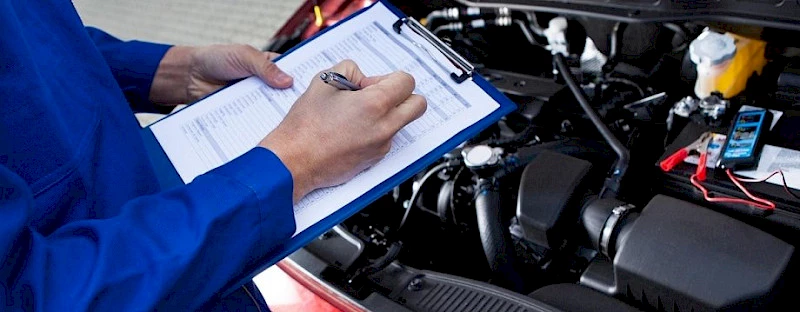
Inspectors follow RTD procedures aligned with EU Directive 2014/45/EU minimums. Expect checks on:
-
Identification & emissions
-
VIN/chassis number matches documents
-
Emissions and smoke levels (petrol/diesel), OBD where applicable
-
-
Braking & steering
-
Brake efficiency and balance; ABS function (warning light behavior)
-
Steering rack/play; power steering leaks
-
-
Suspension & underbody
-
Ball joints, bushings, shocks, springs; corrosion and structural integrity
-
Driveshafts/CV boots; fuel lines; exhaust mounting
-
-
Lights & electrics
-
Headlamp aim; all exterior lights/indicators; horn; battery fixing
-
-
Tyres & wheels
-
Tread depth, age/condition, matching sizes/load ratings
-
-
Safety equipment
-
Seat belts, airbags (indicator behavior), windscreen/wipers/washer, mirrors
-
-
Noise & leakage
-
Exhaust leaks or excessive noise; fluid leaks that affect safety
-
-
For modified/converted vehicles
-
Evidence of type-approval conformity or approved modifications may be requested
-
4) Documents and preparation
Bring:
-
Vehicle registration certificate (logbook)
-
ID/driver’s licence
-
Proof of insurance (good practice, and often needed later for admin)
-
Previous MOT certificate (if any)
Prepare the car:
-
Fix warning lights (engine/ABS/airbag) before testing.
-
Ensure windscreen and lights are clear; headlamps correctly aimed.
-
Check tyres (tread depth/age cracks), wipers, washer fluid, horn.
-
Clear the boot so the spare/jack (where fitted) can be accessed if needed.
-
Warm up the engine (helps emissions on petrol cars).
5) Pass, fail, and retest
-
Pass: You receive a pass certificate (MOT), valid until the stated expiry date. Keep the paper/electronic proof and note the next test due.
-
Fail (defects found):
-
The inspector issues a fail sheet listing minor/major/dangerous defects.
-
You’ll need to rectify defects and return for retest (often limited to the failed items).
-
Driving with a dangerous defect is prohibited; arrange recovery if necessary.
-
Tip: Ask the centre which items are borderline so you can fix them proactively (e.g., headlamp aim, tyres near limit, wiper smear, minor leaks).
6) Booking MOT (how to choose a centre)
-
IKTEO (private centres): competitive availability, standardized equipment, and fixed procedures under RTD oversight.
-
KEMO (public centres): used for certain vehicle classes and administrative checks.
-
How to book: call or book online (centre-specific). Have your plate number and contact ready; ask what to bring and whether cash/card is accepted.
7) How MOT interacts with road tax and insurance
-
Road tax renewal generally requires a valid MOT for vehicles that are due testing. If your MOT has expired, renew road tax will be blocked until you pass.
-
Insurance: Insurers expect your vehicle to be roadworthy. A lapsed MOT can complicate claims if it’s relevant to a loss, even when you hold a policy. Keep MOT current to avoid coverage disputes.
8) Deadlines, reminders, and penalties (how to avoid trouble)
-
Track your date: Put the MOT expiry in your calendar with 30-day and 7-day reminders.
-
Don’t leave it to the last week: end-of-month and pre-holiday slots are busy.
-
If you miss the deadline: you risk fines at roadside checks and you cannot renew road tax until you pass. Book the earliest available slot and do not drive if defects are dangerous or the vehicle is unroadworthy.
9) Special cases you asked us about
-
New imports (first registration in Cyprus): You may need an MOT and/or an emissions certificate as part of the RTD registration pack depending on age/class and documentation (CoC/type-approval). Check the RTD list for your case and book IKTEO or KEMO accordingly.
-
Company cars/taxis/goods vehicles: Expect tighter intervals (often annual) and additional documentation (licences/COC, meter sealing for taxis, etc.).
-
Classic/vintage vehicles: Frequency and inspection items depend on classification; bring proof of age and any club certificates if applicable.
-
Motorcycles: Periodicity and checks vary by class/engine size; verify your schedule with RTD before the due month.
10) How to pass first time (practical checklist)
-
Dashboard clear: no MIL/ABS/airbag warning lamps illuminated after self-test.
-
Lights: all bulbs including plate lights; headlamp aim within spec.
-
Wipers/washer: new blades if streaky; fill the tank.
-
Tyres: ≥ legal tread depth; no sidewall damage; correct load/speed ratings; even wear.
-
Brakes/steering: no pulling or vibration on a quick road check; brake fluid not dark/old; steering free of clunks.
-
Leaks/smells: fix oil/fuel/coolant leaks that reach the road or hot surfaces.
-
Emissions: fresh air filter, good warm-up; petrol cars with aged oxygen sensors or misfires will struggle.
-
Glass & view: chips out of the driver’s field; mirrors secure; horn loud.
-
Paperwork: logbook/ID/previous MOT in a folder to speed up the counter.
11) Frequently asked questions
Can I drive to the test with an expired MOT?
You may drive solely for the purpose of attending a pre-booked test, provided the vehicle is otherwise roadworthy and insured. If you have dangerous defects, arrange recovery instead.
Does an early test shorten the validity period?
No. If you test within the allowed early window, the new certificate typically runs from the old expiry (confirm with your centre when booking).
If I fail, do I pay the full fee again?
Retest policies vary by centre and by how quickly you return. Ask about partial retest fees/time windows when you book.
Will a minor advisory fail my MOT?
Advisories are recorded items to monitor or repair soon; they do not fail you by themselves unless they cross thresholds.
12) Admin after the test
-
File the certificate (scan it with your insurance documents).
-
Set reminders for the next MOT and for road tax renewal windows.
-
If you received advisories, book the repair proactively—waiting can turn a minor into a fail next time.
Conclusion
The Cyprus MOT is straightforward when you (1) know your due date (year 4, then every 2 years for most private cars), (2) book early at an IKTEO/KEMO centre, (3) prepare the car using the checklist above, and (4) keep documents in order to renew road tax seamlessly. Treat the test as a safety audit rather than a hurdle—fix small issues now and avoid expensive repairs and legal headaches later.
Sources
-
Road Transport Department (RTD), Ministry of Transport, Communications & Works — Roadworthiness Test overview and procedures (IKTEO/KEMO under RTD oversight). Ministry of Commerce and Industry+1
-
European Union — Directive 2014/45/EU on periodic roadworthiness tests (minimum EU requirements for what gets checked and inspection intervals). EUR-Lex+1
-
Government of Cyprus Single Digital Gateway / RTD — Registration & emissions/MOT references used in first-registration/inspection packs (what documents may be requested in practice)

Leave a Reply